
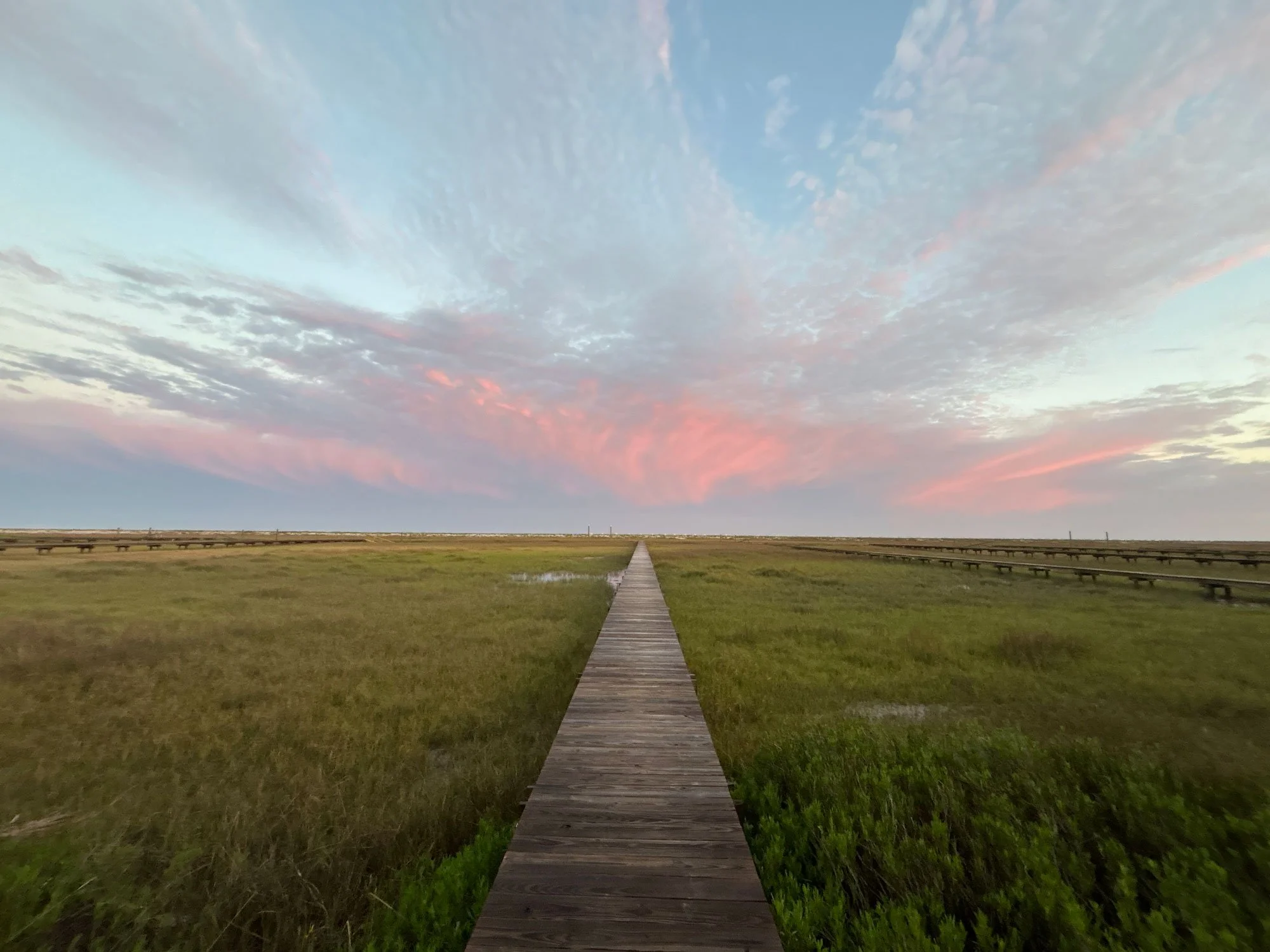
Retreats
Some of the most important work happens when you step away.
Not because the work stops, but because perspective returns.
When you are in the middle of building, leading, or carrying responsibility, it can be difficult to see clearly. Decisions accumulate. Attention becomes fragmented. The pace is often shaped by what is urgent rather than what matters most.
Stepping out of the day-to-day creates a different quality of attention.
Conversations deepen. Mornings begin more slowly. Journals open. Long walks, shared meals, and honest dialogue create room for reflection and more thoughtful decision-making.
The work unfolds at a pace that allows people to reconnect with what they are building, why it matters, and what is needed next.

Why Retreat
Retreats create space to:
restore energy and perspective
reflect on what is working and what is not
create direction and shape what comes next
reconnect decisions to what matters most
This rhythm shows up again and again.
Restore. Reflect. Create. Connect.
Not as a formula, but as a pattern that supports meaningful movement.
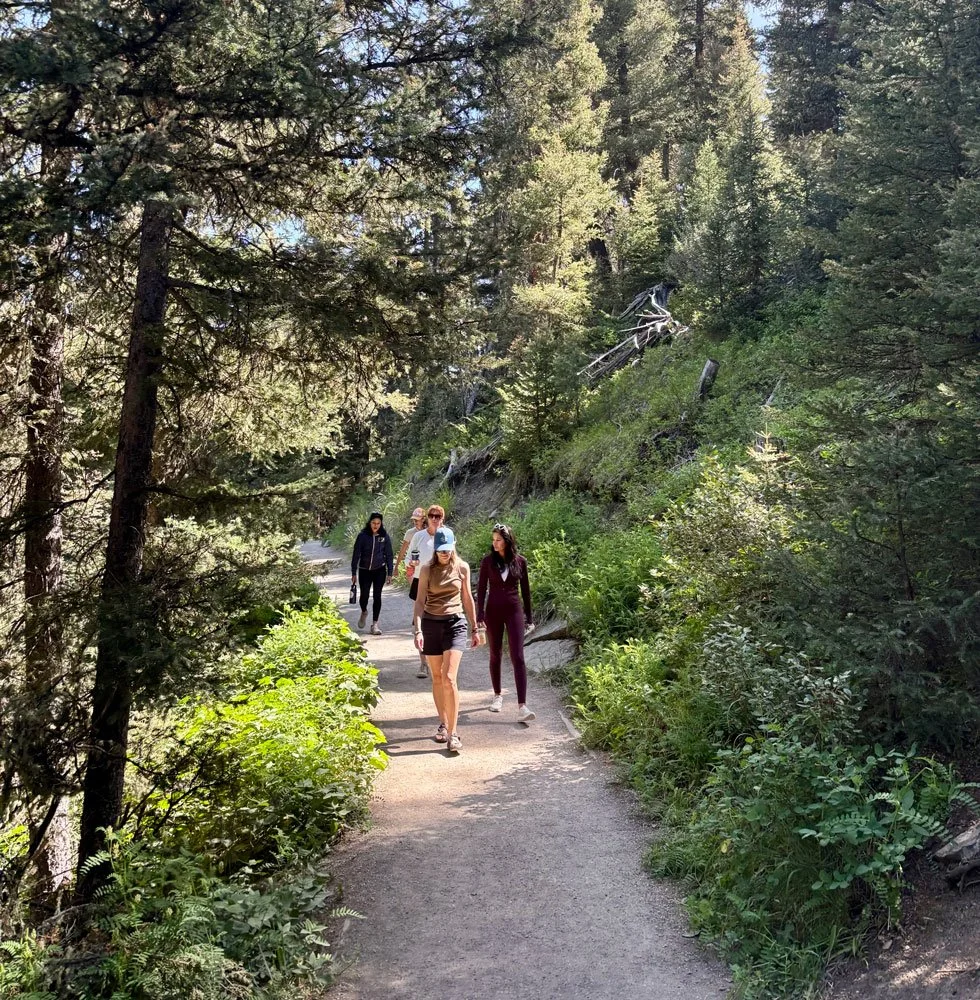
Who Retreats Are For
Some retreats are designed for leadership teams.
Teams step away together to work through strategy, alignment, and direction. These are working retreats. Real decisions are made. Conversations that are difficult to hold in the day to day are given the time and structure they need.
Some retreats are designed for individuals.
Founders, leaders, and people carrying complex work step away on their own or alongside a small group. These retreats offer space for reflection, writing, and broader perspective.
Some gatherings bring together a small group of people who do not work together day to day, but who are navigating similar terrain.
There is value in thinking alongside others who understand the weight and complexity of the work, without needing to explain it from the beginning.
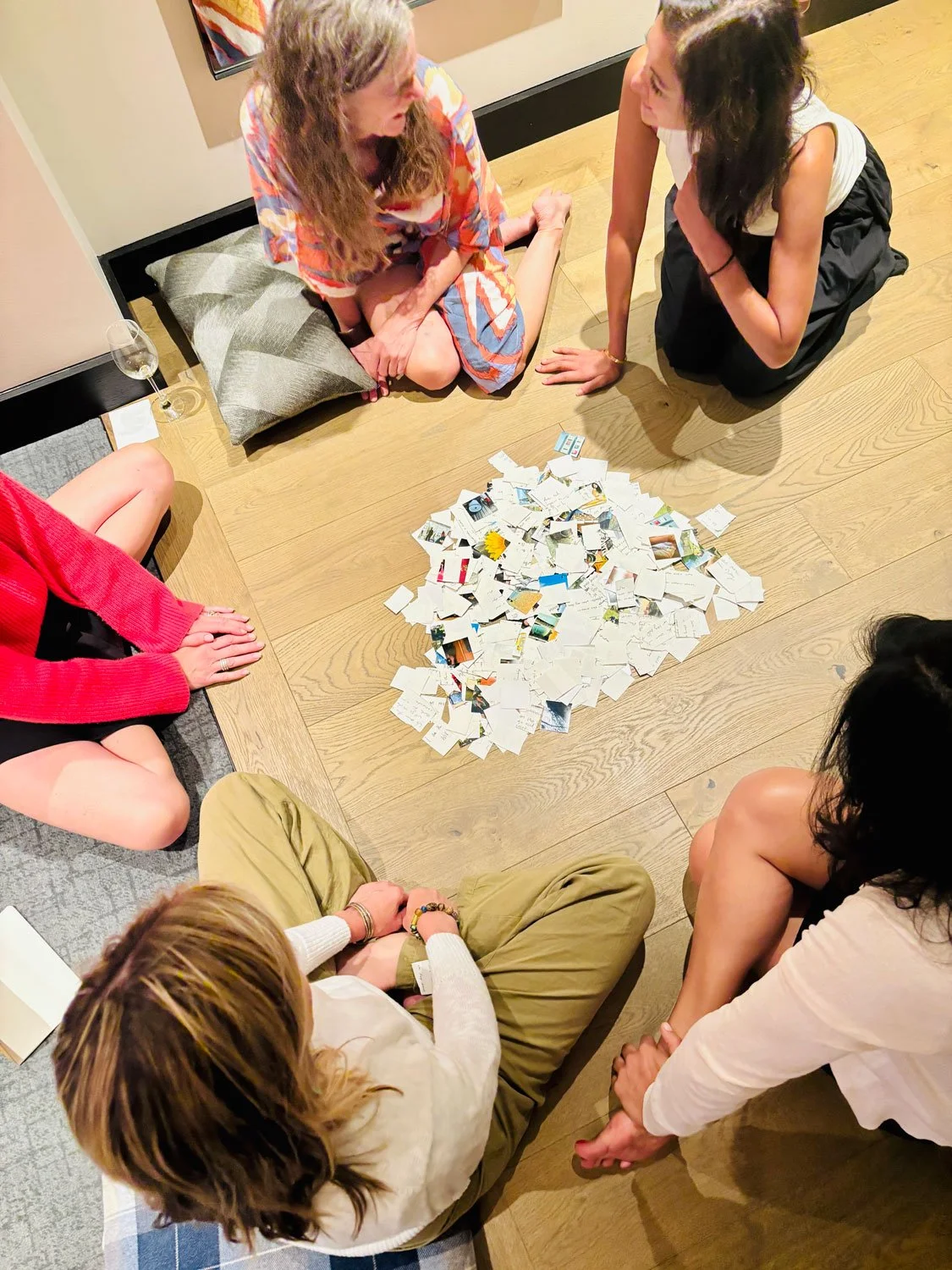
What Happens in a Retreat
Each retreat is shaped by the people gathered and the questions they bring.
At times, the work is structured.
There may be facilitated conversations, working sessions, shared frameworks, or collaborative planning processes that help guide the experience.
At other times, the structure is lighter.
Time is held for individual reflection, walking, writing, quiet conversation, or simply allowing thoughts that have been buried beneath urgency to rise to the surface.
Often it is a combination of both.
The goal is not to fill the schedule.
It is to create the conditions where meaningful work, honest reflection, and thoughtful direction can emerge.
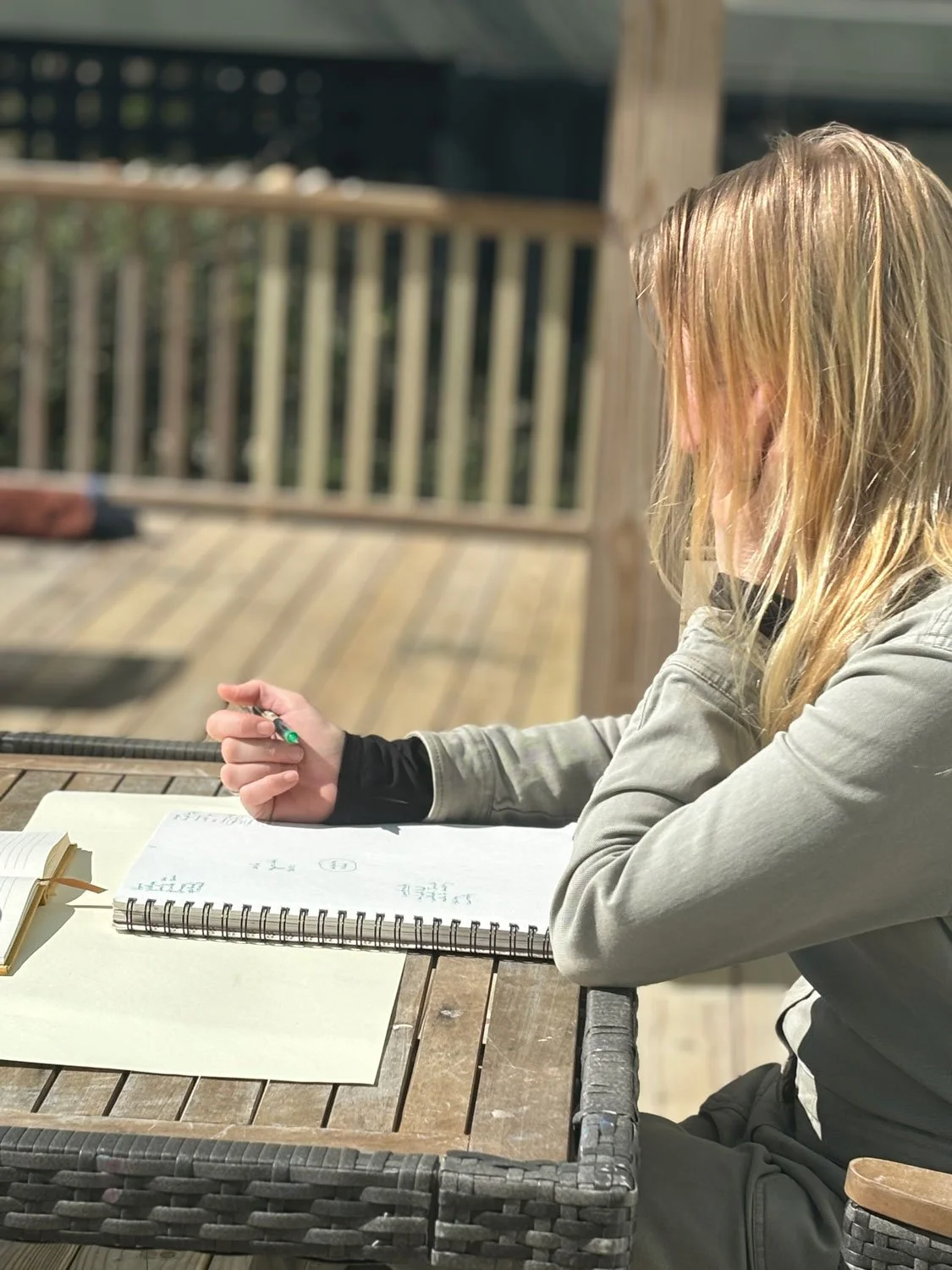
Where Retreats Take Place
Place matters.
Retreats are held in environments that support both reflection and connection.
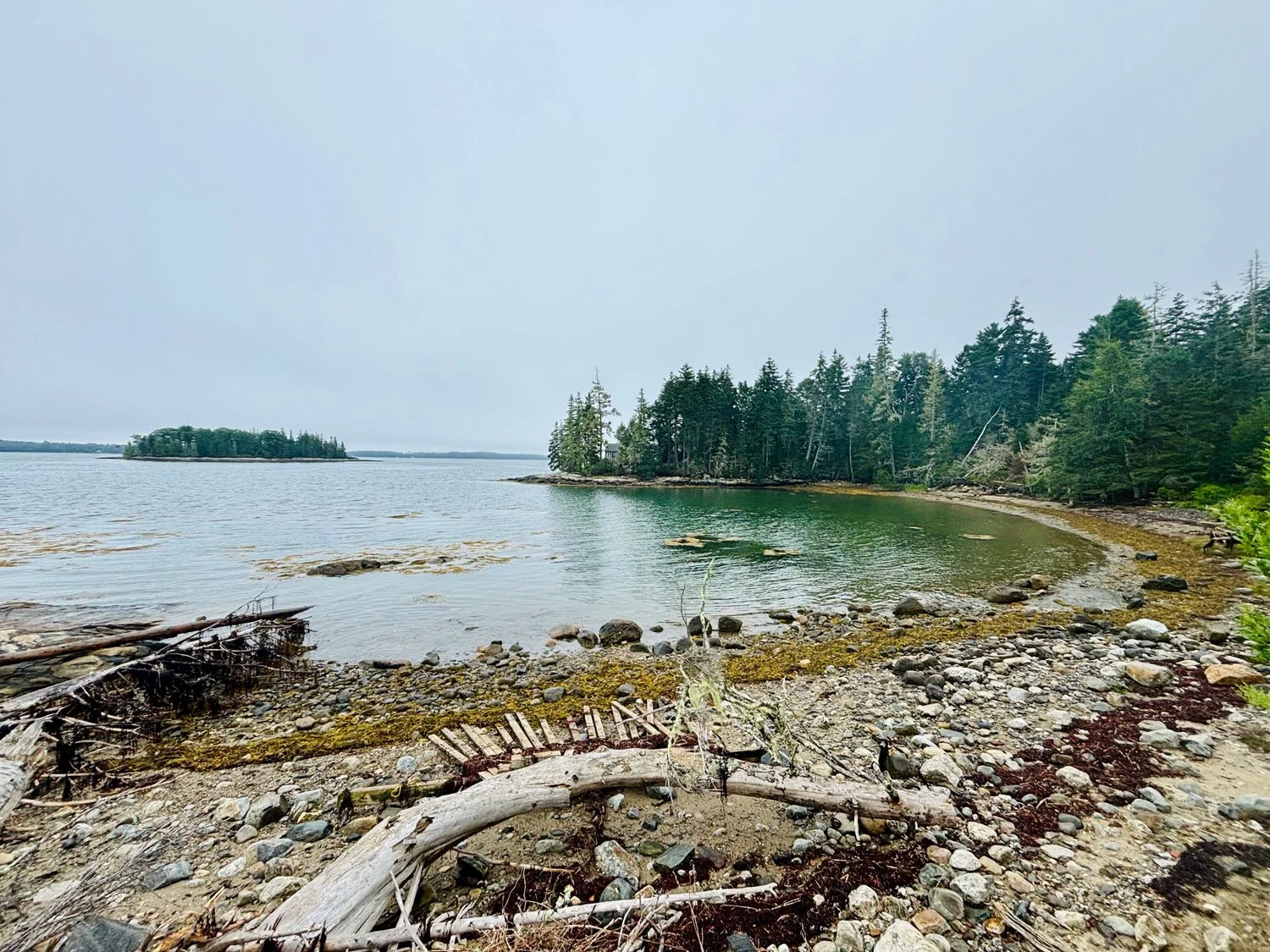
Natural settings are often chosen because they create the physical and mental distance needed to step back from the pace of daily work.
Some retreats take place in the mountains of North Carolina.
Others have unfolded near the ocean, around long wooden tables, beside fire pits, in quiet gathering spaces, and in places where people can breathe a little more deeply and listen more carefully.
Each setting brings a different quality of experience, but the intention remains the same: to create the conditions for perspective, clarity, and thoughtful movement forward.

The Work Within Retreats
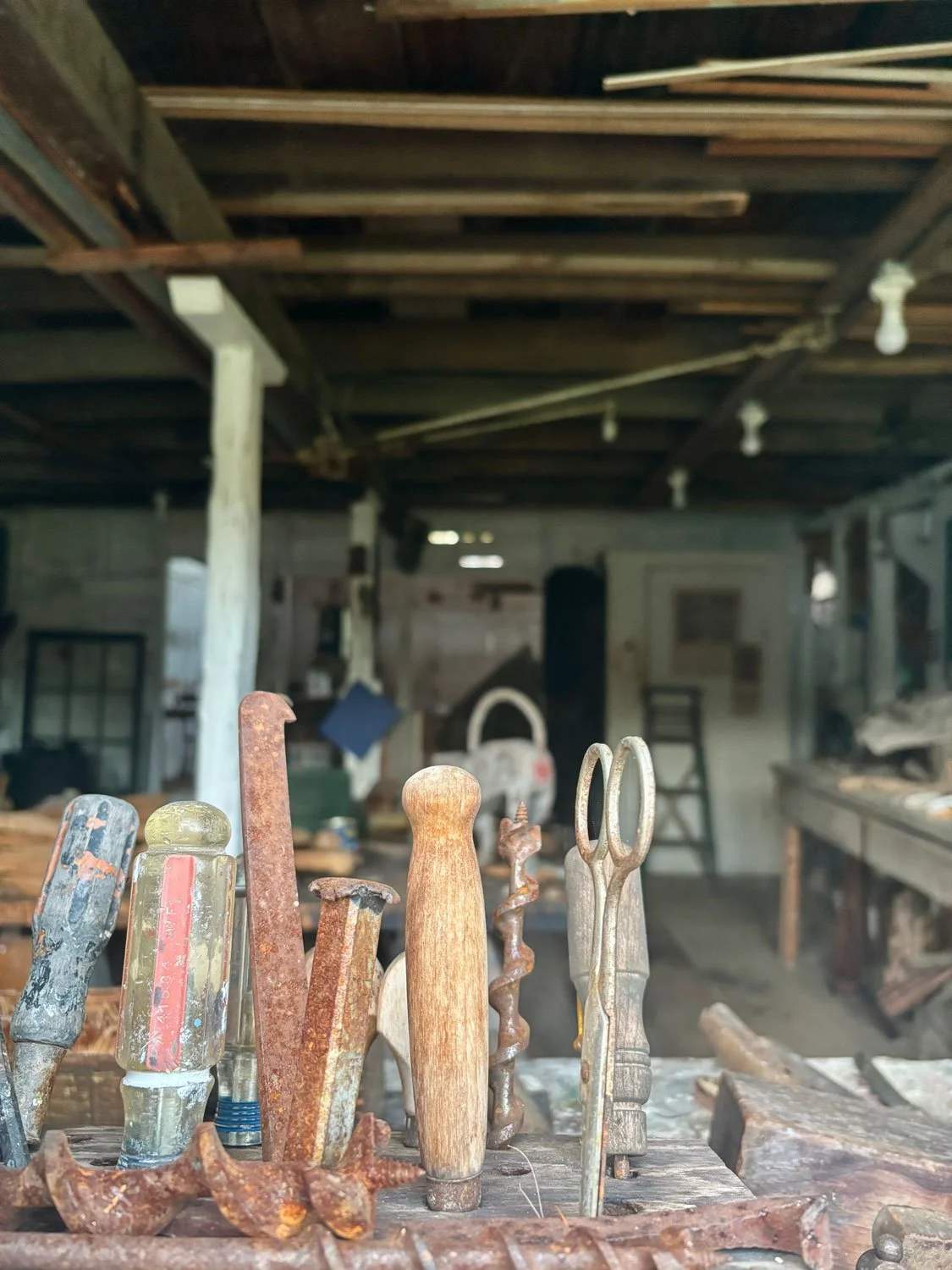
Retreats often hold both schoolhouse and studio.
At times, there is learning.
New ways of thinking. Shared language. Frameworks that help orient the work.
At other times, it is fully in the studio.
Real decisions are made. Strategy is shaped. Direction becomes clearer.
The movement between these modes is part of what makes the work meaningful.
For a glimpse of what a Birds Eye retreat feels like, read The Tabby Abbey, a field note on a decade of gatherings at Folly Beach.
An Invitation
Reach out to explore what is possible in designing a customized retreat for you and your team. We are happy to take care of the logistics in order to create a seamless experience for you to restore, reflect, create and connect.